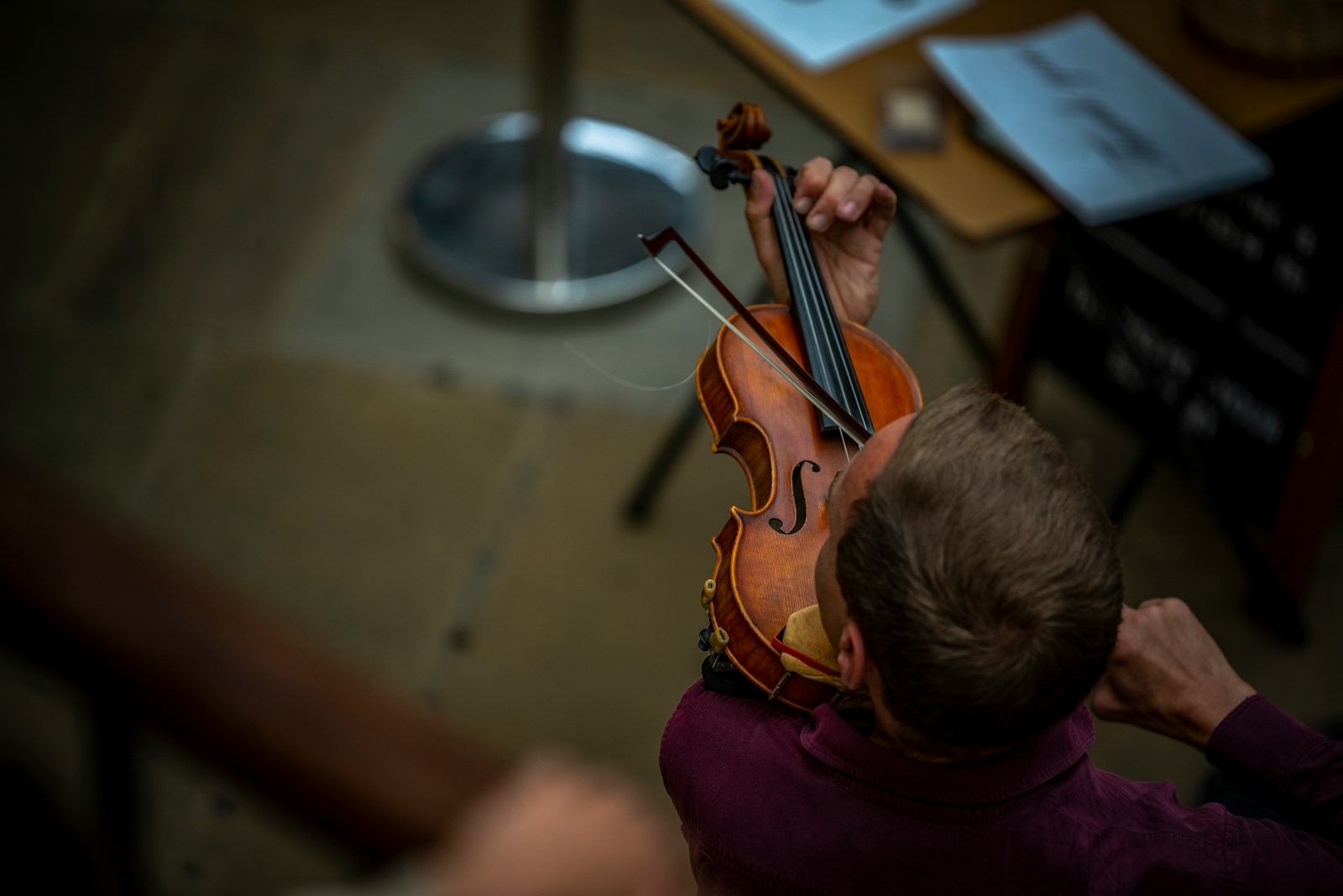
Starting your violin journey can feel exciting and a bit overwhelming. With so many techniques to learn and skills to master you might wonder where to begin or how to make real progress each day. The secret lies in building a solid daily practice routine that keeps you motivated and helps you improve step by step.
You don’t need hours of practice or complicated exercises to see results. Simple focused routines can make all the difference for beginners. By knowing which daily exercises actually work you’ll set yourself up for steady improvement and enjoy playing more each time you pick up your violin.
Why a Practice Routine Matters for Beginners
Consistent practice routines increase your muscle memory and sound control. Repetition builds your brain’s connection to finger placement and bow technique, speeding up your progress. Focused routines reduce frustration by turning large goals, like learning a new song, into smaller daily tasks.
Structured habits let you track specific improvements, like smoother string crossings or cleaner intonation. Frequent, regular practice shortens the time needed to notice results, making your practice more rewarding.
Practice routines build discipline, which helps make violin practice a daily part of your schedule. Small successes then motivate you to continue, reinforcing both skill and confidence.
Setting Up Your Practice Space
Create a practice space by choosing a quiet, dedicated area that stays free from distractions. Position your violin on a stand where you can see it to reinforce regular practice routines. Place your music stand at comfortable eye level and keep your sheet music nearby.
Arrange your essentials within easy reach to support your violin routine. Keep a pencil and eraser for marking fingerings or bowings on your sheet music. Place a metronome and tuner, either as apps or standalone devices, so you can check your rhythm and pitch anytime.
Ensure your practice space stays organized to encourage consistent sessions. Limit clutter and remove unnecessary objects to maintain focus during your routine. Lighting the area well helps prevent eye strain while you read music.
Use this dedicated setup to make daily practice more accessible and effective, integrating each structured segment of your violin routine without interruption. This environment supports your progress by combining organization with convenience.
Essential Warm-Up Exercises
Effective warm-up exercises help you prepare your body and mind for focused violin practice. Each warm-up targets specific skills that directly support improved sound quality, comfort, and control.
Bowing Techniques
Warm up by focusing on bowing basics before you practice other skills. Play long open string tones, using the full bow length on each string. Keep the bow straight and maintain consistent speed and pressure for clear, even sound. Add bow hand warm-ups—such as slow circles or controlled down-bows—to loosen your wrist and refine bow grip. Cycle through bow strokes like détaché, slurs, and spiccato on open strings to build control and reinforce proper motion. Repeat these patterns, emphasizing smooth movements and balanced sound across all strings.
Finger Strength and Flexibility Drills
Start finger exercises after your bow arm feels comfortable. Practice one-octave scales, for example C major, slowly to improve finger placement and consistent intonation. Gradually increase speed as finger precision improves. Perform left-hand slides and finger lifts without the bow to boost finger independence and flexibility. Follow up with short repetitions of etudes or simple technical exercises, rotating patterns for each finger. These drills ensure your fingers stay agile, strong, and ready for both basic repertoire and new skills.
Core Daily Practice Routine
Consistent, targeted repetition forms the core of an effective beginner violin practice routine. Short segments focusing on technique, musicality, and rhythm enable you to make steady improvements and maintain motivation as you progress.
Scales and Arpeggios
Daily scale and arpeggio practice strengthens finger placement and intonation skills. Start with major and minor scales using a metronome to maintain a steady tempo. Play slowly and listen for consistent pitch. Gradually add speed as your accuracy improves. Arpeggio exercises reinforce finger agility by moving between intervals cleanly. Devote about 3 minutes to each technique, making your session focused and efficient.
Simple Songs and Melodies
Playing simple songs and melodies helps reinforce your understanding of fingerboard geography and bow coordination. Select familiar tunes or easy pieces from beginner repertoire books to keep engagement high. Repeating musical phrases aids muscle memory and encourages expressive playing. Rotate a small set of melodies to maintain variety while tracking progress.
Rhythm and Timing Practice
Rhythm and timing practice ensures you develop internal pulse and precise note placement. Use a metronome during your scale and song sessions to anchor your beat. Before playing, clap or tap out the rhythm of a piece to internalize its timing. Syncing your playing with a steady external beat leads to stronger rhythm skills and greater overall musicality.
Tips for Staying Motivated
Practice consistency sustains motivation. Daily practice—even as little as 10-15 minutes—builds steady improvement and excitement as you hear your progress.
Schedule sessions at the same time each day to help form reliable habits. Many beginners find morning or post-school times effective because energy and focus are often higher then.
Set short-term goals for every session, such as mastering a bow stroke, playing a scale cleanly, or learning a measure from your favorite song. These small achievements confirm your progress and fuel long-term enthusiasm.
Analyze mistakes as learning opportunities rather than setbacks. When difficulties arise, break down challenging passages or techniques into easier segments, then combine them after success with the smaller parts.
Play pieces you enjoy to connect emotionally with your practice routine. Intentionally include songs or genres that inspire you into your daily set, making the experience more rewarding.
Collaborate with others by playing duets or participating in group lessons. Interacting with peers creates accountability and offers new perspectives, boosting engagement and making practice more social.
Document practice routines and achievements in a notebook or digital log. Recording which sections you’ve worked on, specific technical drills, and details about improvement over days or weeks gives clear evidence of growth.
Vary the structure to keep sessions fresh by alternating between exercises, new repertoire, and improvisation. Shifting focus among different violin skills like intonation, bowing, and shifting keeps interest high and prevents monotony.
Common Mistakes to Avoid
Skipping practice limits steady violin progress if you miss days frequently. Short, daily sessions, such as two 10- to 15-minute segments, form consistent habits and prevent tension.
Neglecting fundamental techniques slows early development if you focus only on songs. Dedicate time to intonation, bowing, scales, and finger strength every session for balanced improvement.
Practicing without clear goals reduces focus if you go through motions without purpose. Set specific goals, such as improving a bow stroke or mastering a scale, and track progress each week.
Focusing only on favorite pieces creates gaps in skill if you ignore technical exercises or improvisation. Include technical etudes and improvisation regularly for well-rounded ability.
Ignoring physical discomfort or skipping warm-ups leads to overuse injuries if you start playing without stretching or body checks. Take two minutes to stretch and recognize tension before beginning.
Losing motivation or feeling isolated stalls momentum if you practice alone with no progress markers. Join online communities, celebrate small achievements, and switch repertoire when interest wanes to stay engaged.
Conclusion
Starting your violin journey is both exciting and challenging but a consistent daily routine makes all the difference. With a bit of structure and the right mindset you’ll find that progress comes naturally and motivation stays high.
Remember to celebrate every small win and stay patient with yourself. Over time your dedication will transform those simple exercises into real confidence and musical skill. Keep showing up each day and you’ll be amazed at how far you can go.
No responses yet