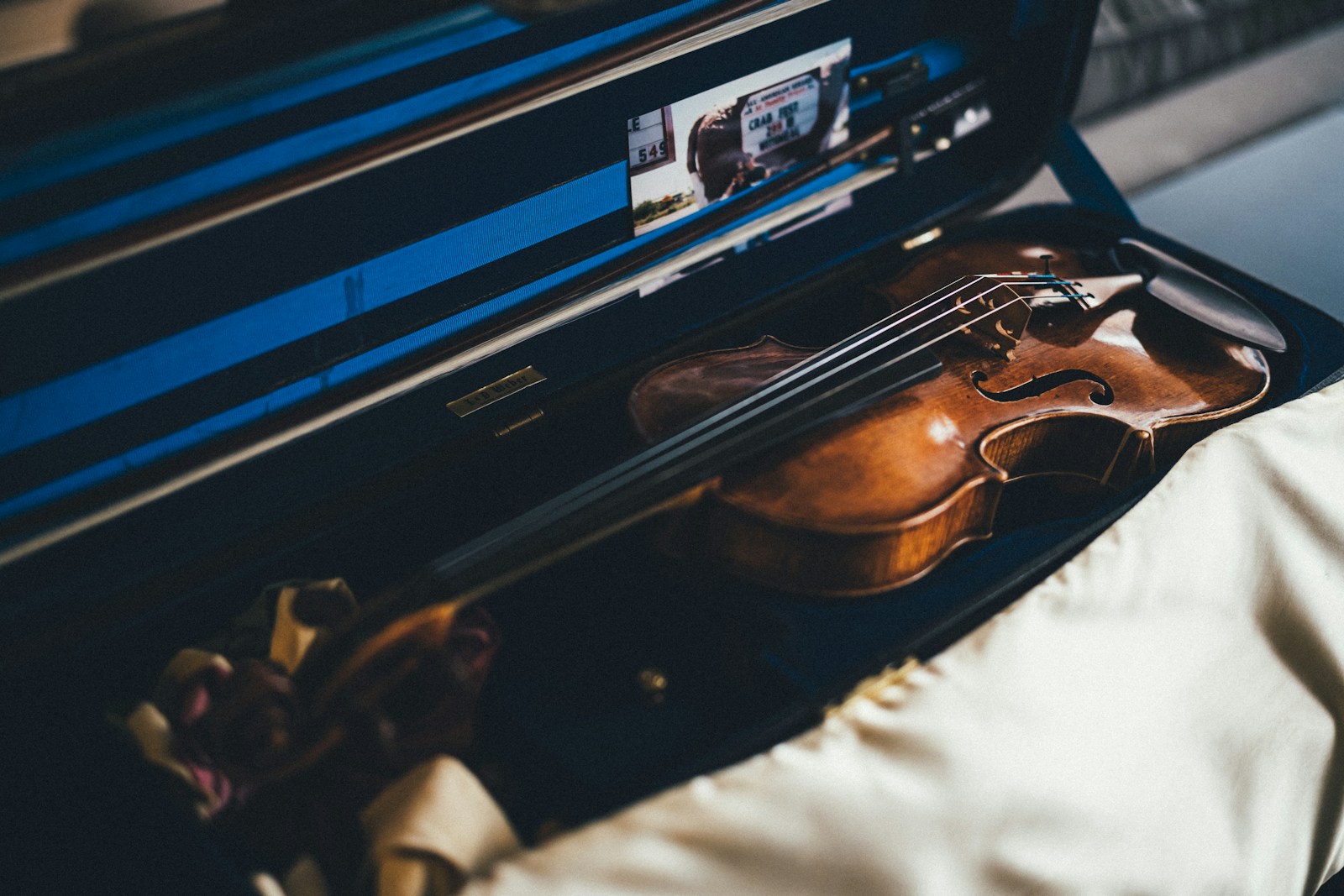
Your musical instrument deserves the same attention you’d give any prized possession. Whether you play guitar, violin, trumpet, or flute, keeping your instrument clean isn’t just about looks—it’s about preserving sound quality and making sure it lasts for years. Dirt, dust, and oils from your hands can build up fast, affecting both performance and appearance.
You don’t need to be a professional to care for your instrument at home. With the right tools and a few simple habits, you can protect your investment and enjoy playing without worry. Ready to make your instrument shine and sound its best? Let’s get started.
Understanding the Importance of Instrument Care
Protecting your musical instrument preserves your investment and supports consistent sound quality. Oils, sweat, and dust create buildup on common instrument surfaces, such as brass valves and woodwind pads, leading to sticky mechanisms and tonal changes. Regular cleaning stops corrosion and cracking, which frequently cause irreparable damage in violins, guitars, or flutes. Preventing moisture accumulation prevents mold and helps interior components, like reeds or strings, last longer. Maintaining your instrument yourself saves costs on professional repairs and reduces performance interruptions. Establishing a cleaning habit increases both the lifespan and reliability of your instrument at home.
Preparing to Clean Your Musical Instrument
Proper preparation before cleaning your musical instrument helps protect it from accidental damage and ensures a safe, efficient process. Organize your supplies and your space to support an effective routine.
Gathering the Right Cleaning Supplies
Select supplies designed for your instrument’s material. For metal instruments like trumpets and trombones, use 90% alcohol spray or wipes, microfiber cloths, soft sponges, and snake brushes for internal tubing. For woodwinds such as clarinets or flutes, choose dry polishing cloths made for delicate woods and avoid alcohol and harsh chemicals. For brass, keep valve oil, slide grease, warm soapy water, and cleaning snakes on hand. Basic supplies like soft cloths, containers of lukewarm water, and non-abrasive instrument cleaners support thorough cleaning across all types.
Setting Up a Safe Cleaning Space
Choose a clean, stable area with enough room to disassemble your instrument without clutter. Lay a soft towel or cloth on the surface to prevent scratches. Keep the space dry, especially for wood instruments, since excess moisture can cause damage. Place small containers nearby to soak removable parts for brass instruments. Ensure all tools and supplies are within easy reach to minimize movement during cleaning.
Cleaning and Maintaining Different Types of Instruments
Cleaning and maintaining different types of musical instruments involves specific techniques tailored to each instrument’s construction and materials. Regular home care removes debris, prevents damage, and upholds sound quality for every instrument category.
String Instruments
Clean string instruments like violins, violas, and cellos by wiping the exterior with a dry polishing cloth after each use to remove rosin dust and fingerprints. Inspect strings for fraying or buildup, replacing them as needed to avoid snapping or tone issues. Avoid using alcohol or harsh cleaners, since these can dry out or damage wood finishes.
Woodwind Instruments
Clean woodwind instruments such as flutes, clarinets, and saxophones by running a pull-through swab through each section after playing, removing internal moisture and debris. Soak the mouthpiece in warm, soapy water, scrub it gently with a mouthpiece brush, and rinse thoroughly to eliminate bacteria and buildup. Wipe the exterior gently using a polishing cloth, ensuring you don’t apply pressure to delicate keys and pads. Use a key brush around keys and rods to remove residue from hard-to-reach spots.
Brass Instruments
Maintain brass instruments like trumpets, trombones, and tubas by disassembling slides, valves, and tubing when possible for deep cleaning. Soak detachable parts in warm, soapy water, using a snake brush to remove internal buildup, then rinse and dry completely before reassembling. Lubricate moving parts with slide grease or valve oil for optimal performance and to minimize wear.
Percussion Instruments
Clean percussion instruments—including drums and cymbals—by wiping surfaces with an appropriate lint-free cloth to remove dust, sweat, and fingerprints. Don’t use harsh chemicals or abrasive cloths, as these can damage instrument finishes. For high-traffic areas such as drumheads, use a slightly damp cloth, drying immediately to prevent moisture retention.
Keyboards and Digital Instruments
Maintain keyboards and digital instruments by wiping keys and outer surfaces with a soft, slightly damp cloth, keeping water away from electronic openings. Use electronics-friendly cleaners sparingly to avoid residue accumulation. Cover the instrument when not in use to prevent dust buildup on keys and controls, preserving responsiveness and sound quality.
Consistent cleaning tailored to instrument type preserves appearance and playability, minimizing risk of mechanical or acoustic issues.
Essential Tips for Proper Instrument Storage
Store your instrument in a hard or original case to prevent environmental damage, moisture, and accidental impacts. Guarantee full dryness before storing to avoid rust on metal parts or mold growth on wood surfaces. Use climate-controlled storage or add humidity packs for wood instruments, which helps prevent cracking or warping during seasonal changes. Remove and clean mouthpieces before placing brass or woodwind instruments in storage, keeping these components free from residue and buildup. Loosen strings slightly on violins, guitars, or cellos if planning long-term storage, which helps minimize neck tension and deters warping. Avoid storing in direct sunlight or near heating vents, as temperature extremes and humidity fluctuations can quickly deteriorate materials, affecting both sound and durability.
Common Mistakes to Avoid When Cleaning Instruments
Using excessive alcohol or liquid cleaners on your instrument causes corrosion, swelling, or breakdown of delicate parts—especially pads, corks, and untreated woods. Performing surface cleaning on wood instruments with harsh products dries and damages finishes, sometimes warping or cracking the material. Failing to disassemble slides, valves, or mouthpieces properly leads to water or cleaning residue trapped in joints and mechanisms. Leaving moisture inside the instrument after cleaning accelerates mold, bacterial growth, and metal oxidation. Placing wet swabs, cleaning cloths, or accessories inside a closed case directly contacts wood or brass, risking stains or warping. Applying generic or household cleaners introduces chemicals incompatible with instrument components or skin contact, which can void warranties. Overlooking the need to replace swabs and cloths spreads debris and moisture instead of providing effective cleaning. Skipping or performing improper maintenance interrupts consistent sound quality and may reduce your instrument’s useful life.
Conclusion
Taking care of your musical instrument at home isn’t just about keeping it looking nice—it’s about protecting your sound and investment for years to come. By following the right cleaning steps and storing your instrument properly you’ll enjoy smoother practice sessions and more reliable performances.
A little effort now can make a big difference in how your instrument feels and sounds every time you play. Stick to a regular care routine and you’ll notice your instrument stays in top shape and responds better to your touch.
No responses yet