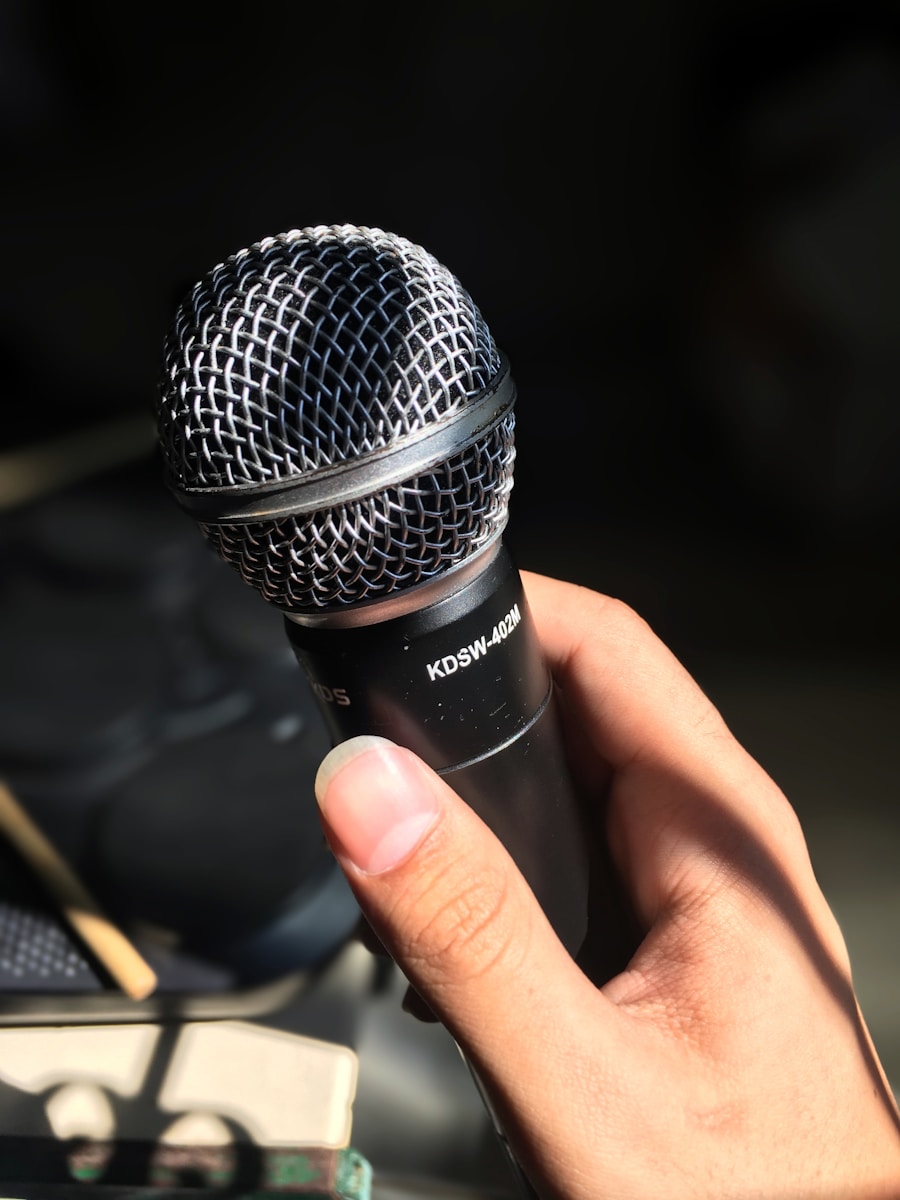
Starting your singing journey is exciting but finding the right microphone can make all the difference. As a young singer you want gear that captures your voice clearly without breaking the bank. With so many options out there it’s easy to feel overwhelmed.
Choosing an entry-level microphone doesn’t mean you have to settle for poor sound quality. The right mic will boost your confidence and help you shine whether you’re practicing at home or recording your first song. Let’s explore the top five entry-level microphones that’ll help you sound your best from the very first note.
Why Choosing the Right Microphone Matters for Young Singers
Selecting the right microphone affects your vocal clarity and overall sound quality. Entry-level microphones with consistent frequency response and low handling noise, like the Shure SM58 or Audio-Technica AT2020, help capture your true voice so you hear accurate playback during practice. Using microphones suited to young singers’ pitch and range supports healthy singing technique, since sensitive microphones pick up details in quieter voices and prevent strain. For home recording, a reliable microphone limits background noise and interference, creating professional-sounding demos or auditions with less editing. With the right choice, you gain confidence, as consistent sound quality motivates you to practice and share performances. Balanced tone, easy setup, and durability in entry-level models let you focus on developing your singing, not troubleshooting gear.
Key Features to Look for in Entry-Level Microphones
Choosing microphones with essential features helps young singers start with great results. Entry-level models share several characteristics that support clear, confident vocal performances.
- Microphone Type
Dynamic types offer durability and handle live use well, such as the Shure SM58 or Samson Q2U. Condenser types, including the Audio-Technica AT2020 or Rode NT1, capture subtle vocal details, ideal for home studios or auditions.
- Connectivity Options
USB microphones, like the Samson Q2U, allow plug-and-play recording with a computer and need no extra gear. XLR models provide higher fidelity and suit those with audio interfaces, supporting future gear upgrades.
- Polar Pattern
Cardioid patterns focus pickup from the front, reducing room noise and feedback common in home or rehearsal settings. You get cleaner vocals, which improve audition quality and help you control your recordings.
- Durability
Rugged construction prevents damage during frequent use or travel. Models like the Shure SM58 withstand heavy handling, dropped mics, and repeated setup, supporting young singers through continuous practice.
- Low Self-Noise
Microphones such as the Rode NT1 minimize internal noise, so you capture only your singing, even with soft vocals or quiet backing tracks. Low self-noise keeps recordings professional, increasing usable takes.
- Good Signal-to-Noise Ratio
A high signal-to-noise ratio ensures voices stand out clearly, reducing unwanted hiss present in cheaper gear. Balanced models like the AKG P120 deliver cleaner results for demos or online sharing.
Selecting microphones with these core features creates a strong starting point for any young singer, blending voice clarity, background noise control, and user-friendly design.
Top 5 Entry-Level Microphones for Young Singers
These five entry-level microphones deliver reliable sound quality and ease of use for young singers starting with home or stage performances. Each choice aligns with different setups, vocal needs, and budgets.
1. Audio-Technica AT2020
Audio-Technica AT2020, a condenser microphone, captures vocals with extended frequency response from 20 Hz to 20 kHz, emphasizing mid-range warmth for a flattering vocal tone. Its affordability suits beginner budgets, making it a top choice for home studio recordings of vocals and various instruments. When silence is essential, its relatively high noise floor may limit usability.
2. Shure SM58
Shure SM58, a dynamic microphone, is regarded as the industry standard for live vocals and rehearsal spaces. Its cardioid pattern isolates your voice, minimizing background noise, while its tailored frequency response enhances clarity in the 3–5 kHz range. Rugged construction allows for frequent transport and use in stage environments, and it connects via XLR for reliable signal transfer.
3. Samson Q2U
Samson Q2U offers versatility for young singers by combining XLR and USB outputs, facilitating both computer-based and professional interface recording. Its dynamic capsule minimizes background noise, delivering clear vocals in both noisy and quiet environments. Real-time headphone monitoring simplifies setup for beginners and supports growth into higher-quality studio recording.
4. Rode NT-USB Mini
Rode NT-USB Mini, a compact USB condenser microphone, integrates seamlessly with computers for straightforward recording and streaming. Its professional-grade audio captures expressive vocal nuances, making it ideal for young singers working in home studios, streaming, or content creation.
5. Fifine K669B
Fifine K669B, a budget-friendly USB condenser microphone, prioritizes simplicity and clarity. Plug-and-play functionality eliminates complex setup, offering crisp vocal recordings for singers practicing or launching a podcast. Its affordability and decent sound quality support early development in a home setting.
Tips for Caring for and Using Microphones Effectively
Grip the microphone firmly in the middle of the handle to maintain a steady hold and clear sound. Avoid wrapping your fingers around the mesh grill since this blocks the pickup zone and muffles your vocals.
Keep your hand off the top of the microphone because covering the grille distorts the sound and increases the risk of feedback. Sound engineers report feedback spikes when young singers cup the mesh.
Hold the microphone at a consistent distance from your mouth to provide stable sound quality. Move with the mic as you perform instead of dropping your voice off-mic to avoid volume dropouts.
Move the microphone smoothly and avoid tapping or shaking it. Sudden motions cause handling noise and may damage internal components, lowering sound quality for both live and recorded settings.
Angle the microphone away from monitors and speakers since this technique reduces the chance of feedback during rehearsals and live shows. If you’re onstage, coordinate with the sound engineer during soundcheck to balance monitors and mic placement.
Store microphones in a dry, dust-free place after use to extend device lifespan. Use a pop filter or windscreen during practice sessions and performances to protect the microphone from moisture and plosives that cause popping noises in recordings or live takes.
Wipe the microphone regularly with a gentle, dry cloth to prevent buildup of moisture or dust around the grille. Consistent care and proper handling allow your entry-level microphone to deliver reliable, clear vocal performance throughout frequent use.
Conclusion
Choosing the right entry-level microphone sets you up for success as a young singer. When you invest in a microphone that matches your needs and take care of your gear you’ll notice a real difference in your sound and confidence.
Let your microphone become a tool that inspires you to practice more and share your voice. With the right setup and a little care you’re ready to take the next step in your singing journey.
No responses yet