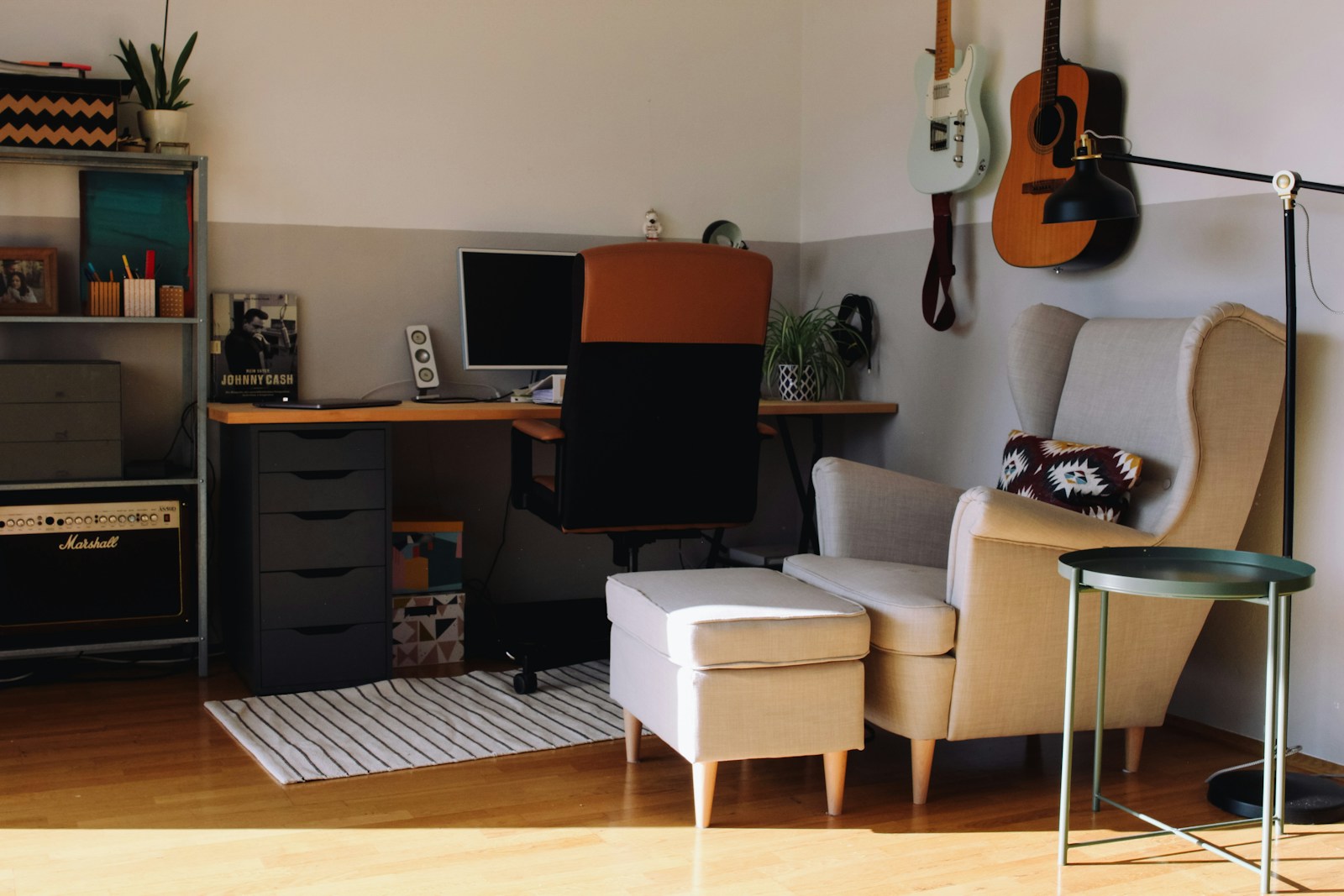
Creating the right home practice space can make all the difference in your musical journey. Whether you’re just starting out or aiming for the next level you need an environment that fuels focus and creativity. The right setup helps you stay motivated and makes every practice session count.
You don’t need a huge budget or a dedicated music room to get started. With a few smart choices you can turn any corner of your home into a spot that supports your goals. Let’s explore what you’ll need to set up a productive practice space that keeps you inspired and on track.
Understanding the Importance of a Home Practice Space
A home practice space directly shapes your ability to focus and learn new music concepts. Dedicated areas minimize distractions and build routines that support technical progress. When you practice in the same reliable spot each day, you reinforce muscle memory and retain more from every session.
Purposeful setups increase motivation and consistency in music students of all ages, including children learning piano or teens rehearsing guitar. Consistent environments signal to your brain when it’s time for concentrated practice.
Personalized spaces let you tailor light, sound, and equipment to your unique needs. This level of control lets you reduce interruptions and optimize comfort, increasing the length and quality of your practice time. Research identifies practice environment as a crucial factor in skill retention and effective goal setting for musicians (source: Journal of Research in Music Education).
Choosing the Right Location
Selecting a location shapes your music practice experience and productivity. The right space encourages focus, reduces frustration, and helps you practice music more effectively at home.
Considering Noise and Distractions
Choose a quiet area with minimal noise leaks and few external interruptions. Spaces with thick walls or doors, such as bedrooms or dedicated rooms, shield your practice from household distractions. Use carpets or rugs to absorb sound, especially if you play drums or amplified instruments. Keep screens, pets, and unrelated items out of your practice area to limit temptations and maintain attention on music. If more than one instrument is involved, arrange amplifiers and equipment to balance volume and avoid sound overlap.
Assessing Space and Accessibility
Ensure your practice spot fits your instrument, music stand, and essential tools like tuners and metronomes. Place your instrument where it’s simple to access—students often practice longer when setup is quick. Add comfortable seating and adequate lighting, ideally with natural light, to support long sessions and boost well-being. Keep learning materials within reach for efficiency. Personal touches like posters or artwork make the space inviting and uniquely yours.
Essential Equipment and Setup
A productive home practice space relies on thoughtful equipment selection and an organized layout. Every element in your setup contributes to smoother, more effective music sessions.
Instruments and Accessories
Keep your instrument close, secure, and in optimal playing condition. Store necessary accessories such as a tuner for accurate pitch, a metronome for rhythm, and a sturdy music stand for sheet music within arm’s reach. Place a pencil, eraser, sharpener, and notepad nearby for quick annotation or reflection. Arrange your books, sheet music, or TABS so they’re easily accessible. Maintain hydration with a glass of water visible during each session.
Technology and Tools for Practice
Enhance practice sessions with dedicated technology and digital tools. Use a timer or a practice app for managing session duration and staying focused. Select digital apps for tuning, metronomes, and logging progress to minimize interruptions and streamline your workflow. Prepare devices and settings ahead of time to ensure every session runs efficiently.
Organizing Your Practice Area
A well-organized practice area boosts your focus and streamlines each session. Consistent layouts and minimal distractions help you develop strong practice habits.
Storage Solutions
Strategic storage keeps your instruments, sheet music, and accessories easily accessible. Use shelves and hooks for instruments like guitars or violins to prevent damage and cut setup time. Place music stands, tuners, picks, and metronomes within arm’s reach so you can maintain workflow without unnecessary movement. Arrange music sheets, method books, and rehearsal notes in labeled bins or folders for quick retrieval. Lay carpet remnants or use cinder blocks under drums if your room isn’t carpeted, preventing sliding and ensuring safety.
Lighting and Ergonomics
Effective lighting and comfortable seating are essential for productive practice spaces. Select a spot with bright, even lighting to reduce eye fatigue during late-night sessions—adjustable desk lamps or natural light from windows provide ideal options. Choose an ergonomic chair with good support so you maintain correct posture for your instrument, whether it’s a keyboard, string, or brass setup. Set room temperature with a small heater or fan if necessary, considering that hot or cold environments can affect both comfort and instrument condition. Keep these elements optimized to reduce fatigue and maximize effective practice time.
Creating a Motivating Environment
Choosing the right atmosphere boosts music practice productivity and keeps you inspired. A dedicated, clutter-free area signals that practice is intentional and helps maintain long-term focus.
Personalizing the Space
Adding elements that reflect your musical interests makes daily practice feel energizing. Display posters of favorite musicians, frame sheet music from pieces you love, or include music-themed decor that sparks creativity. Surround yourself with meaningful reminders—like photos or vinyl records of musical idols—to maintain passion. When the space feels uniquely yours, motivation and enjoyment follow.
Setting Goals and Visual Reminders
Establishing visible, achievable targets sustains engagement and progress. Use practice journals, wall charts, or logbooks to track routines and improvement. Set up streak calendars, badges, or small awards, making accomplishments tangible. Post notes about specific goals on a corkboard or wall to reinforce commitment and celebrate milestones. Clear reminders make consistent practice rewarding and help you measure growth over time.
Maintaining Your Practice Space
Consistent maintenance keeps your home practice space productive and inviting for every session. Cleanliness, regular organization, and flexibility to adapt support ongoing progress.
Cleaning and Routine Upkeep
Clean your practice space regularly to create an organized and distraction-free zone. Dust the instrument with a soft cloth, wipe down surfaces like music stands and shelves, and tidy sheet music or accessories after each use. Keep pencils, tuners, and metronomes in their designated spots to avoid clutter. Routine upkeep means leaving your instrument accessible on a stand and storing music materials within arm’s reach, so you’re always ready to play with minimal setup.
Adapting the Space as Needs Change
Update your practice area as your skills and requirements evolve. Relocate your setup for improved acoustics if needed, or enhance comfort with better lighting or new seating. Use practice pads, mutes, or add soft furnishings if noise levels affect others. Add new tools or technology, such as recording devices or fresh sheet music, to match your growth and goals. Adaptation ensures your space always supports effective, focused practice.
Conclusion
Designing a productive home practice space is one of the best investments you can make in your musical journey. When you create an environment that supports your goals you’ll find it easier to stay motivated and make steady progress.
Your practice area should evolve with your skills and reflect your unique style. With a little creativity and regular upkeep you’ll always have a space that inspires you to pick up your instrument and play your best.
No responses yet