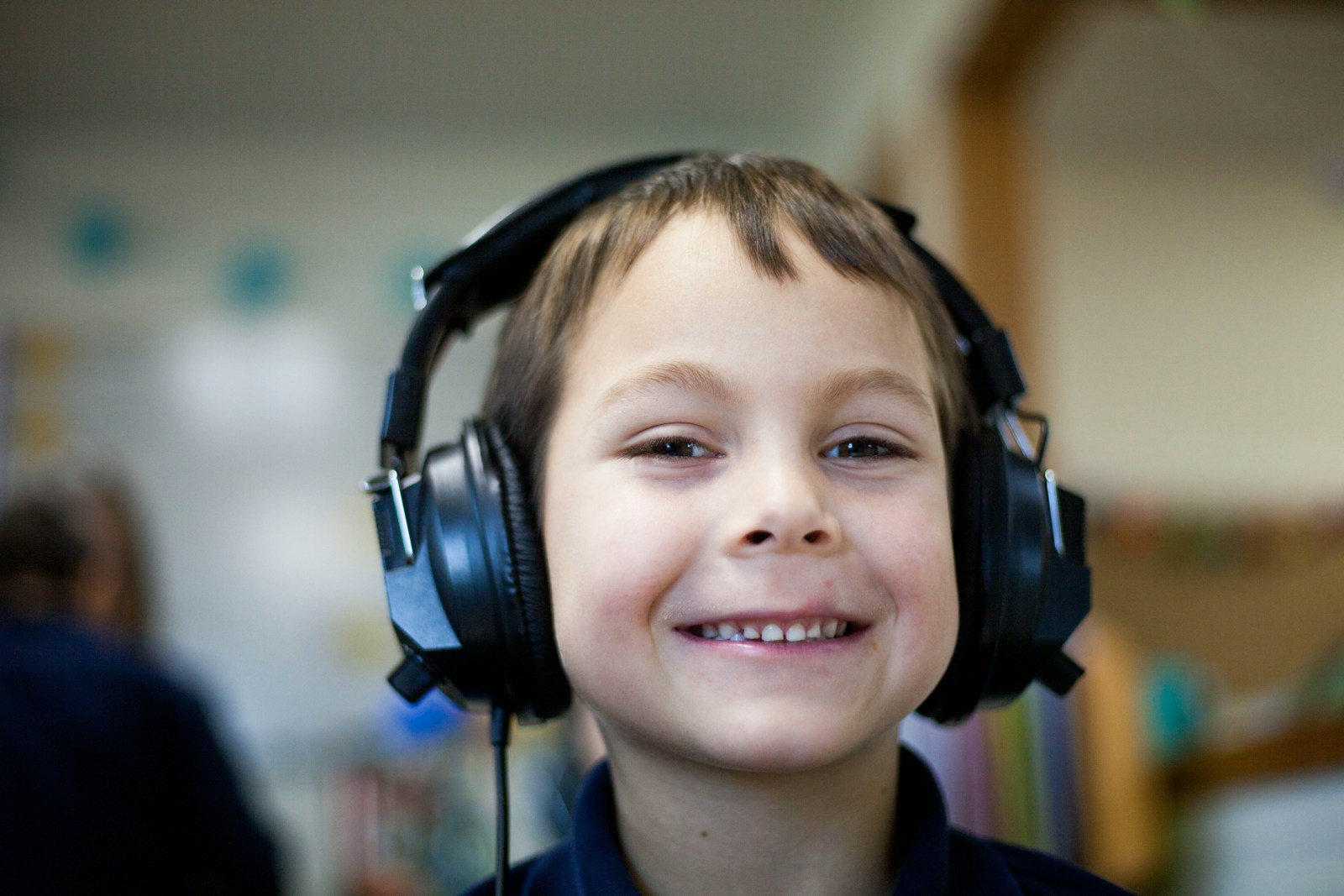
Imagine your child picking up a musical instrument and suddenly their world starts to open up in new ways. Learning music isn’t just about playing notes or singing songs—it’s a powerful tool that shapes how young minds grow and develop. When your child engages with music they’re not only having fun but also giving their brain a real workout.
You might be surprised at how much music can boost your child’s memory focus and creativity. Science shows that learning music helps build important skills that go far beyond the classroom. Whether it’s strumming a guitar or singing in a choir music can set the stage for lifelong learning and success.
Understanding Brain Development in Children
Children’s brains develop rapidly in the early years, creating billions of neural connections. Brain growth peaks between birth and age five, supporting areas like language, movement, and emotion. Key brain regions, including the prefrontal cortex and temporal lobes, manage skills such as attention, impulse control, and memory retention.
Sensory experiences shape brain development in children. New stimuli like music create and strengthen specialized neural pathways. Interactive activities, such as singing or playing instruments, reinforce communication between brain hemispheres.
Critical thinking and problem-solving emerge as the brain processes complex tasks. When children learn music, these processes become integrated with auditory processing and motor skills. Repetitive musical practice supports the brain’s ability to adapt and learn, which researchers term ‘neuroplasticity’ (Harvard University, Center on the Developing Child, 2022).
Consistent, rich learning experiences during childhood create a foundation for future academic, social, and emotional abilities.
How Music Influences Cognitive Growth
Music strengthens your child’s cognitive growth by accelerating brain maturation and improving neural connectivity across multiple regions. Structured music learning supports abilities used in academic and daily life by shaping how your child processes sound, language, and information.
Enhancing Memory and Attention
Music practice enhances your child’s focus and concentration through repetitive activities and sustained engagement. Exercises like reading music or playing instruments demand acute attention, which sharpens working memory. According to research by the USC Brain and Creativity Institute, music instruction leads to faster development of auditory pathways and more accurate sound processing than in children not learning music. These gains allow your child to remember information longer and apply improved attention and recall to learning across subjects.
Improving Language and Literacy Skills
Music training builds your child’s language and literacy development by enhancing auditory discrimination and phonological awareness. Exposure to rhythm and melody helps children distinguish subtle differences in sounds, a skill necessary for recognizing phonemes in spoken language. Music-based activities, such as singing or clapping to rhythms, lay groundwork for reading and comprehension. Studies show that children receiving music education experience better verbal memory, second language pronunciation, and reading performance, with these effects lasting into adulthood.
Emotional and Social Benefits of Learning Music
Learning music delivers key emotional and social benefits for children by strengthening emotional intelligence and enhancing social interactions. Music activities give you practical ways to express feelings while developing essential interaction skills for healthy development.
Building Confidence and Self-Esteem
Playing and performing music raises your confidence by creating visible achievements. Recitals, group showcases, and at-home performances help you experience accomplishment and positive feedback. Regular practice allows you to see personal growth and skill mastery, supporting a lasting, positive self-image. Every music milestone provides a sense of pride, increasing your willingness to take on challenges in other areas.
Encouraging Teamwork and Social Skills
Group music activities like ensemble performances and collaborative lessons advance your teamwork. Working with others in bands or choirs lets you practice listening, contributing, and adapting to group needs. These experiences teach you empathy by requiring respect for peers’ ideas and efforts. Active participation in group music cultivates cooperation, communication, and collective problem-solving—core social skills that strengthen every interaction beyond musical settings.
Supporting Academic Achievement through Music
Music training supports academic achievement in children by strengthening cognitive functions essential for school performance. Learning music enhances your memory and focus, helping you retain information and follow instructions better in classroom settings. Studies from USC neuroscientists show that children engaged in music instruction display faster brain maturation in auditory pathways, which leads to greater accuracy in processing language and reading tasks.
Learning music also improves your executive functions, including attention control and problem-solving, which are crucial for completing assignments and participating in class discussions. By engaging with music theory, you practice rhythmic patterns, fractions, and ratios, which supports your math skills and strengthens your analytical abilities. Researchers have documented that children studying music consistently perform better on tests that measure mathematical reasoning.
Musical activities promote growth in your verbal memory and reading ability, making it easier to acquire new vocabulary and comprehend complex texts. Practicing music, especially through singing or playing instruments, sharpens auditory discrimination, which benefits your language acquisition and second-language pronunciation.
Participating in group music experiences nurtures your communication and collaboration skills. These critical abilities, supported by musical engagement, translate into more effective teamwork and higher achievement in multidisciplinary school projects. As music motivates and brings joy, it also increases your engagement with schoolwork and sustains your academic interest over time.
Practical Ways to Introduce Music to Children
Enroll your child in structured music programs or group classes for consistent musical exposure. Examples include community youth orchestras and organizations using the El Sistema method. These programs provide guided music instruction, peer interaction, and social motivation that reinforces long-term engagement.
Integrate singing and rhythmic activities into your daily routine for early auditory and language benefits. Sing nursery songs to boost vocabulary and practice clapping or chanting rhythms to improve sound processing and comprehension.
Use hands-on musical instruments or simple percussion tools like keyboards, xylophones, or drums to develop your child’s fine motor skills and physical coordination. Encourage regular play through short, consistent practice times to build discipline and focus.
Incorporate movement and dance activities set to music to support gross motor development. Examples include musical games, dancing, or freeze dance sessions that engage body awareness, timing, and balance.
Explore a range of musical genres together to enhance cultural appreciation and broaden emotional understanding. Listen to music from different regions or traditions, discuss the origins, and relate melodies to cultural contexts.
Leverage accessible online resources and interactive apps to make music learning flexible and affordable. Choose platforms that offer guided lessons, virtual instruments, or gamified music training for self-paced growth.
Initiating these strategies during early childhood increases the potential for enhanced brain development, supporting both academic readiness and social-emotional growth through music.
Conclusion
Giving your child the chance to learn music is one of the most rewarding investments you can make in their future. With every note they play or sing they’re not just enjoying a creative outlet—they’re building a stronger brain and developing skills that set the stage for lifelong success.
By weaving music into your child’s daily routine you open doors to greater academic achievement social confidence and emotional well-being. Start early and let music become a joyful part of their world—you’ll watch them flourish in ways that last far beyond childhood.
No responses yet